6 Proven Tips for Raising 100 Laying Hens at Home
Raising laying hens at home? Start with 100 birds and follow six tips covering location, cages, feed, vaccines, vitamins and weekly weighing.

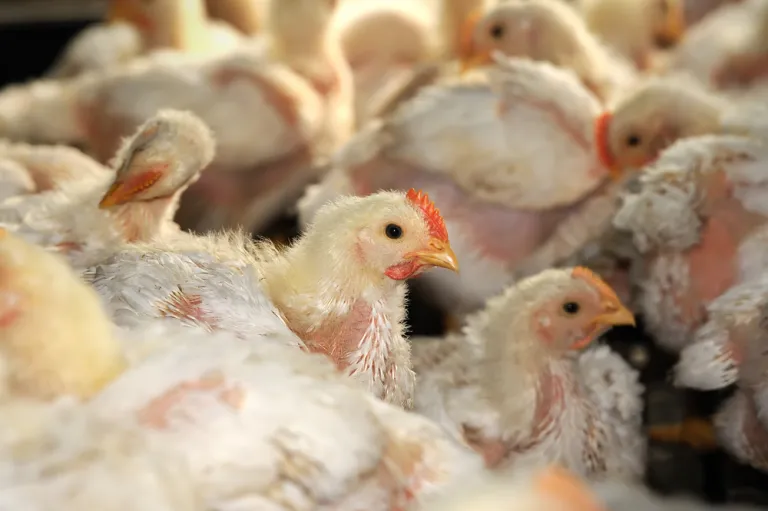
A home-scale layer farm can start with 100 hens. That number works even as a business, since it can bring in a decent return. With fewer than 100 hens, the flock is better kept for your own household's eggs, because the output will fall short. To get the most from a flock, the farmer needs to know how to raise hens properly. Laying hens cannot be raised in a casual, make-do way. The farmer needs enough skill and knowledge of the ins and outs of layer chickens. For beginners, here are some tips for raising 100 laying hens on a home scale:
Contents
The Right Location
The first thing a layer farmer must consider is choosing the right location. Think it through carefully, because the farm will be set up around the home. The point of weighing the location is to make sure the chicken coop does not disturb the daily activities of the family members inside the house. A corner of the backyard works, away from the comings and goings of visitors and from the household itself.
Also read 4 Ways to Improve Broiler Carcass Quality
The Right Cage
The cage used for 100 laying hens should not be chosen carelessly, because hygiene and cleanliness have to be maintained. For a home-scale cage for 100 laying hens, choose one that is high quality, durable, long-lasting and rust-proof. A battery-style cage is recommended. This type stacks the cages vertically, so it can hold many hens in a small space.
The Right Feed
For both laying hens and broilers, most of the cost goes to buying feed. The farmer must manage feed well so that production costs do not balloon. The type of feed must also match the hens' stage of life, because each stage has its own feed type and nutrient levels. Beyond that, make the feed work efficiently. Many farmers complain that even when they feed to the maximum, the results fall short of expectations, such as low egg productivity. Low productivity despite adequate feed can mean the feed is not working effectively and efficiently.
Even Feed Distribution
Uneven body weight among laying hens leads to uneven egg production, with some hens laying a lot and others very little. To avoid this, the farmer must distribute feed evenly so that every hen gets enough.
Vaccines and Vitamins
Laying hens have low resistance to disease. That is why vaccines and vitamins play an important role in the success of a layer farm. Without them, hens get sick easily because their immune defenses are weak. Once a disease appears, it spreads very quickly.
Also read 5 Layer Chicken Farming Analyses You Should Know
Weigh Your Hens
Before harvest time, it is important for the farmer to weigh the hens every week. This shows whether the hens' growth and development have been on track. If the weight falls below the standard, the farmer can review whether something is wrong with the methods used so far. If something is wrong, it is not too late to fix it, which is why weekly weighing is so important.
Those are some ways to raise 100 laying hens on a home scale. We hope this information helps, especially for anyone who wants to get into the layer farming business.