Laying Hen Farming: 5 Key Analyses Every Farmer Should Know
Planning a laying hen farming business? Analyze capital, egg prices, competitors, your target market and DOC prices first to protect your profit.

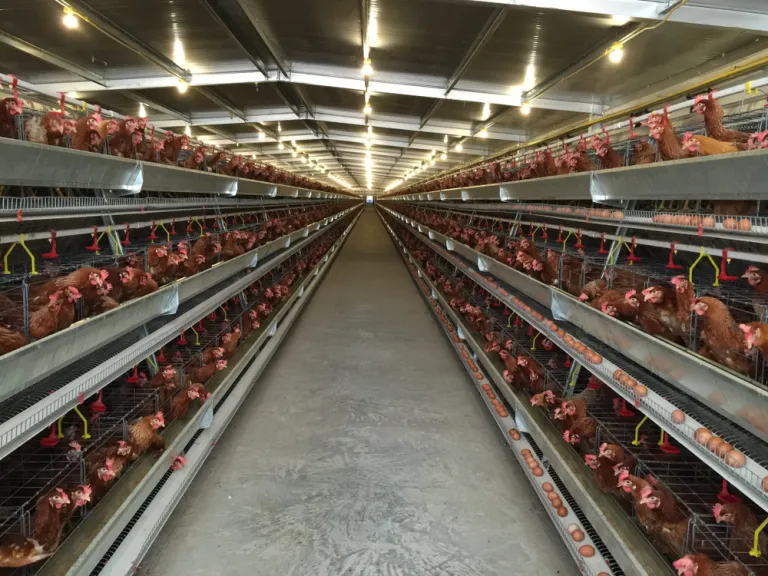
Analysis matters in any business, and raising laying hens is no exception. Laying hen farming has attractive prospects because demand is high. The protein in eggs is believed to help keep the body healthy. Protein can be used to replace damaged body cells, and a protein deficiency harms both cells and health. Data show that demand for eggs rises year after year, so it is no surprise that the laying hen business has so much potential. Attractive as it is, there are several analyses that farmers need to pay attention to. Here they are:
Capital Analysis
The first analysis for laying hen farming is capital. Every business needs a sound capital analysis, because running short of capital can stop the business midway. Capital should be calculated not only for setting up the farm but all the way to harvest time. Why? Besides the startup cost, there are other expenses to account for, such as feed and medication. Feed for layer hens takes a large share of capital, because the hens' growth and development depend on what they are fed. The more nutritious the feed, the better the hens grow and develop. To avoid running out of funds, it is important to work out accurately how much capital is needed to set up the farm and to set aside money for operations until harvest time.
Egg Price Analysis
Many news reports say that laying hen farmers keep losing money. The losses can have several causes, and one of them is a wrong forecast of egg prices. Professional farmers know when egg prices will rise and when they will fall. This analysis matters for making a profit. If production costs are higher than income, the farmer takes a loss. To make a profit, then, a farmer needs to know when egg prices go up and when they go down. Egg prices rise around Eid al-Fitr and during the fasting month of Ramadan, because eggs are in high demand for boxed meals (nasi box) and for baking cookies (kue kering).
Read also: 6 Drawbacks and Benefits of Broiler Farming Under a Partnership System
Competitor Analysis
One analysis that must not be forgotten is competitor analysis. It shows how many competitors there are and how strong they are. With it, laying hen farmers can work out which business strategy will let them compete effectively. A farmer who does not compete effectively will surely lose out to rivals.
Target Market Analysis
The target market needs to be analyzed too. Many businesses fail because they misjudge their target market, meaning the people the business aims to serve. Every business has its own target market. For a laying hen business, for example, the target market includes housewives, grocery stores (toko sembako), market traders and so on.
DOC Price
The price of DOC (day-old chicks) also needs to be analyzed, because it is tied to the capital a farmer will spend. The more expensive the DOC, the more capital is required. Layer DOC prices fluctuate a great deal, so laying hen farmers need to analyze when DOC prices are high and when they are low.
Laying hen farming should not be done carelessly. Besides knowing how to raise laying hens properly, farmers also need to carry out the analyses described above to get the best results from their flocks.
Read also: 4 Ways to Improve Broiler Chicken Carcass Quality