6 Broiler Chicken Carcass Standards Every Producer Should Know
Know the 6 broiler carcass standards: proper slaughter, carcass types, size, age, microbe limits and quality grades that protect buyers and sellers alike.

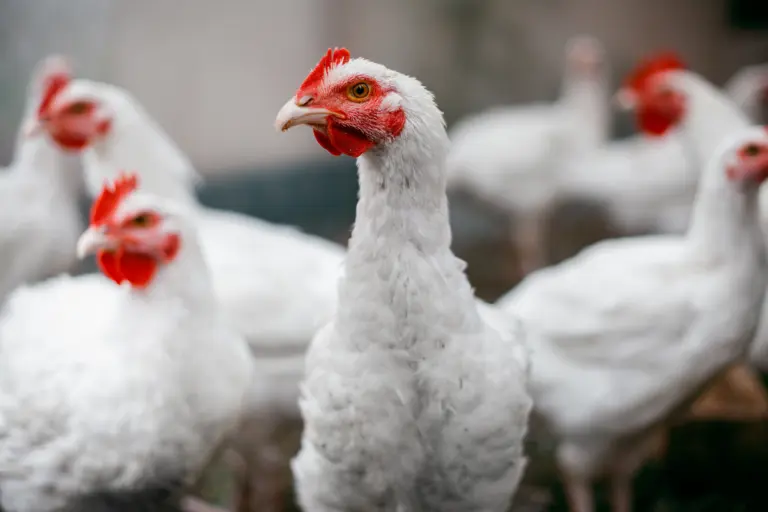
To get into the chicken carcass business, it is important to know the standards. Knowing them tells you what rules exist for maintaining the quality of carcass meat. The standards apply to every farmer and chicken carcass business in Indonesia. Their purpose is to protect both sides, buyers and sellers. The hope is that the quality of carcass meat keeps improving, so that the rights of both consumers and sellers are protected. That is why farmers and business owners must know what the standards are, so they do not break the rules already set. These are the broiler chicken carcass standards you need to know:
Proper Slaughter
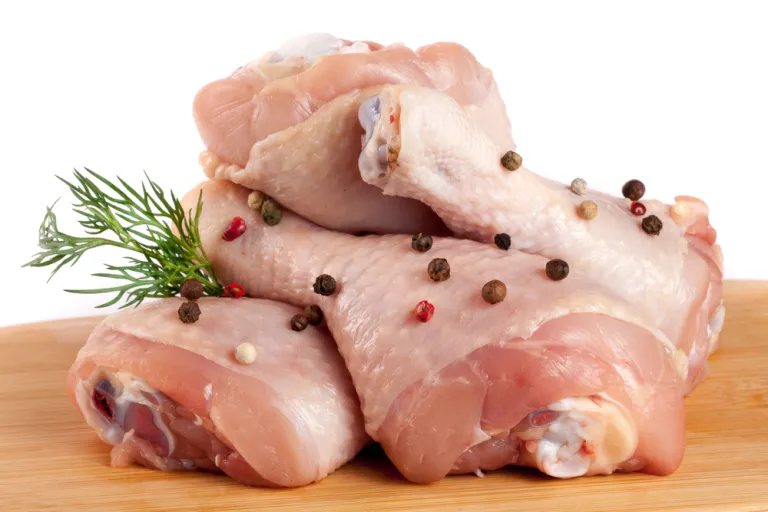
The first standard is proper slaughter, which must follow the established procedure. Slaughter must include plucking the feathers and removing the offal, and the carcass must come without the head, neck, feet, lungs and kidneys. The fine feathers must also be plucked so the carcass meat is clean and free of them.
Types of Carcass
Chicken carcasses can be handled according to their type. Farmers and carcass businesses need to know three types. The first is the fresh carcass, which may stay at room temperature for a maximum of 8 hours. While it is at room temperature, make sure no flies or other animals come near, because they can lower the quality of the carcass. If some carcass pieces do not sell, the business can turn them into chilled carcass. Chilled carcass is carcass meat stored at a cold temperature of a few degrees Celsius. The cold keeps germs and bacteria from multiplying in the meat. That is why the areas that display packaged food keep the meat and vegetable sections at different temperatures. Besides chilled carcass, there is also frozen carcass. A carcass cannot stay chilled forever, so chilled carcass can be turned into frozen carcass by putting it in a freezer.
Carcass Size
Broiler carcass standards are also judged by size. Broiler carcasses come in three sizes: small, medium and large. If the size or weight of a carcass does not meet the standard, you can be sure the farming technique used so far was wrong, because the weight did not reach its maximum.
Carcass Age
Another standard a farmer can apply is the age of the carcass. Chickens must not be harvested before their time, because some organs will not develop fully. The weight of the chicken will not reach its maximum either. Harvesting chickens earlier is fine as long as the weight is already at its maximum.
Microbes
The standard for improving carcass quality requires that the number of microbes stays under the set maximum. That is why carcass meat must be handled with a high level of hygiene, so that microbes or bacteria do not multiply in it.
Quality Grades
The carcass meat is then sorted by quality grade. This standard exists to give carcass meat a high quality. Quality is judged by factors such as the meat, the fat, the intactness of the carcass, the color of the meat and so on. The more perfect and good all of these components are, the higher the quality, while any defect can lower it.
Every business has its own standards, and so does the chicken carcass business. With clear broiler carcass standards in place, consumers and businesses alike benefit, so chicken carcass businesses must apply the standards properly.
Read also: Steps to Succeed in Raising Village Chickens