How to Tell a Healthy Chicken Carcass from a Bad One
A chicken carcass is easy to find and store. Learn how to pick a healthy chicken carcass by checking water content, skin, smell, bruising and color.

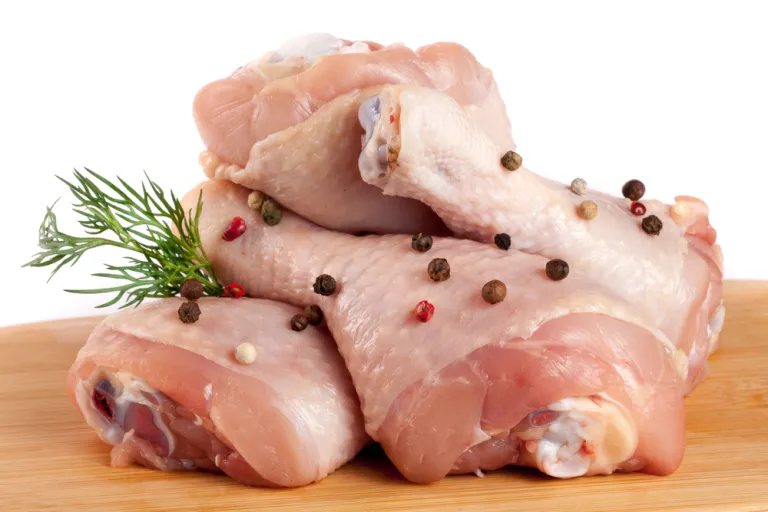
A chicken carcass is a good choice for home cooks, because it is easy to find at traditional markets and big supermarkets and easier to store. If you buy it at a large supermarket, the carcass is usually sold frozen, while at a traditional market you will find carcasses that are still fresh and have just been slaughtered. Even if you buy it frozen, the freshness and nutrition stay the same as long as it came from a quality chicken. So how do you choose a good, quality carcass?
The easiest sign to check first when buying a chicken carcass is that the meat does not hold a lot of water. How can you tell? Press the meat. If a lot of water seeps out through the pores, the chicken was given a lot of water before it was slaughtered. Excess water is not actually harmful if you eat it, but it costs you money because the weight is not normal.
The skin of the carcass should also look smooth and glossy, which shows that the meat is still firm and the fibers are not damaged. Spoiled chicken meat falls apart easily. A fresh carcass that is good to eat smells fresh, with no fishy or rank odor. If you smell a fishy odor, it is almost certainly ayam tiren (chicken that died before slaughter, short for "chicken that died yesterday") treated with preservatives.
Also note that a good carcass has no bruises at all. If you find bruising on the meat, the chicken almost certainly died abnormally, because blood has clotted in the vessels. If a chicken was beaten to death, its bones are usually damaged too. A fresh chicken's bones, by contrast, are intact. So don't check only the freshness of the meat; check the condition of the bones as well.
As for color, fresh carcass meat is yellowish white, while white meat with a very springy texture is a sign of a carcass treated with preservatives. The meat of ayam tiren is blackish. Tiren chicken is easiest to recognize when raw; once cooked, it looks the same as fresh chicken. That is why you need to know these signs, so you can choose a fresh, quality carcass.