Online vs Offline Learning: Which Should You Choose?
Online vs offline learning: see what daring and luring mean, how each affects students, and why blended learning can be the best solution for your child.

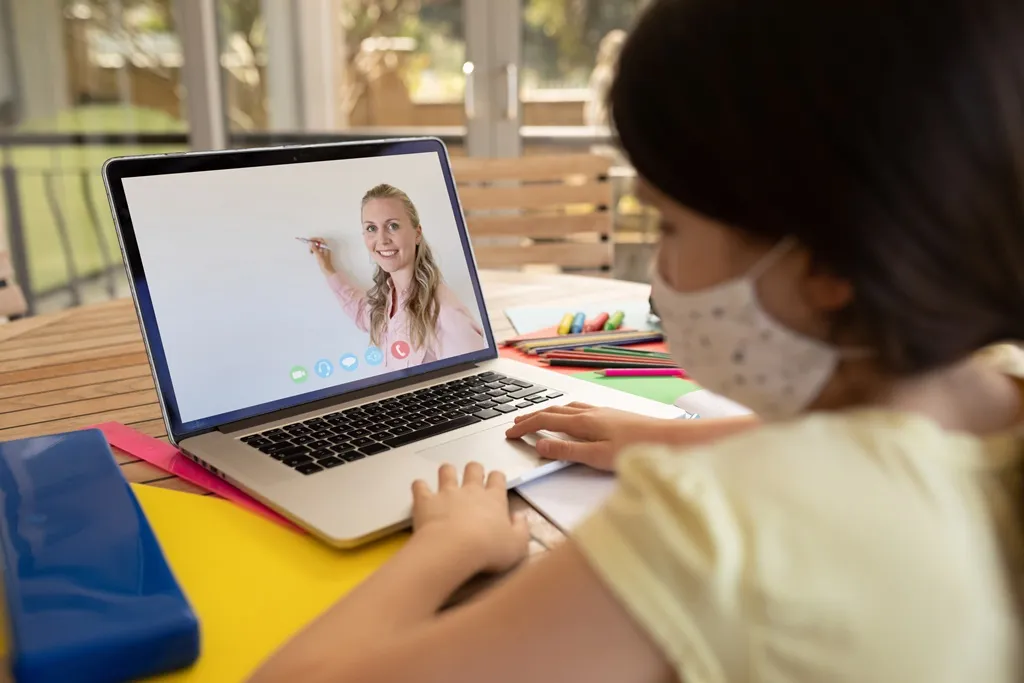
In-person classes have had to be put on hold for students because the coronavirus pandemic has dragged on for almost two years. That situation has set off a debate over online and offline learning. So which one is actually better, and which should you choose? Read on for the rundown.
What Daring and Luring Mean
The terms daring and luring are now used all the time, and not only when talking about education. You need to understand what they mean first before you can judge which is better, online learning or offline learning.
Literally, daring is an acronym of dalam jaringan ("in the network"), meaning connected through a computer network, the internet and so on. In everyday terms, daring means online. Luring (luar jaringan, "outside the network") describes the state of being disconnected from the network, or in everyday terms, offline.
In education, both online and offline learning are widely used. Learning online means using interactive, internet-based methods and an LMS (learning management system), for example Google Meet, Zoom and similar tools during lessons.
Learning offline, by contrast, is the conventional model used until now. An offline system requires face-to-face contact, with students and teachers physically present together, like the teaching and learning activities in a classroom at school.
Online Learning vs In-Person Learning
Now that you know what daring and luring mean, you will remember how the pandemic forced fully online learning for a time. Some parents objected at first, but in the end people had little choice but to accept it for the sake of everyone's safety.
As time went on, though, almost two years of online learning was judged to risk learning loss among students, because students tend to lose focus and teachers have less control during online lessons. Online learning does have its own advantages, though, such as being more flexible and safer during the pandemic.
Blended Learning as the Solution
Online and offline learning each have strengths and weaknesses. As noted, as online learning went on, people realized that students risk learning loss. On the other hand, technology came to be used in lessons more fully, so the next generation does not fall behind on technology.
However, the lack of social interaction raises the worry that students will not develop strong interpersonal skills. That is why blended learning, which combines the two, can be the solution. The weaknesses of each model can be covered by the other method.
In conclusion, both online and offline learning have their own strengths and weaknesses, and it cannot be said with certainty that one is better than the other. That is why the blended learning method, which combines both, can be the solution. You can find this kind of system at the leading school Sekolah Murid Merdeka.