
Eid al-Adha Ghusl Intention: Arabic Text, Meaning and Steps
Learn the Eid al-Adha ghusl intention in Arabic, transliteration and English, plus the ruling, the best time and the step-by-step way to take the bath.

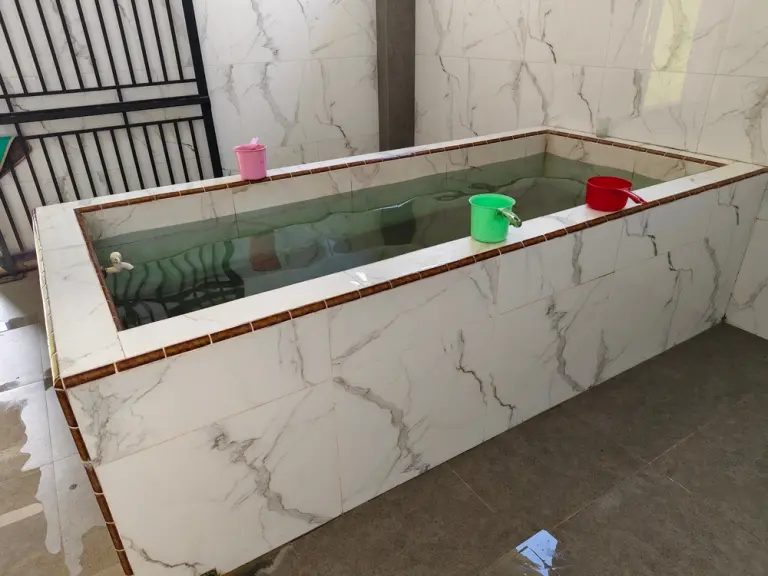
The Eid al-Adha ghusl intention (niat mandi sholat Idul Adha) is the intention recited, or held in the heart, when someone is about to take the recommended ritual bath before performing the Eid al-Adha prayer. This bath is sunnah (recommended), not obligatory. Its purpose is to cleanse yourself, refresh your body and prepare yourself before attending the Eid prayer.
The commonly used wording of the Eid al-Adha bath intention is:
Contents
- What Is the Eid al-Adha Prayer Bath?
- The Ruling on Bathing Before the Eid al-Adha Prayer
- The Eid al-Adha Ghusl Intention
- When Is the Time for the Eid al-Adha Bath?
- How to Take the Eid al-Adha Bath
- Do You Have to Shampoo for the Eid al-Adha Bath?
- Is the Eid al-Adha Bath Obligatory?
- The Difference Between the Eid al-Adha Bath and the Obligatory Bath
- Other Sunnah Acts Before the Eid al-Adha Prayer
- Common Misconceptions About the Eid al-Adha Bath
- A Quick Guide to the Eid al-Adha Prayer Bath
- FAQ About the Eid al-Adha Ghusl Intention
- Conclusion
نَوَيْتُ سُنَّةَ الْغُسْلِ لِعِيْدِ الْأَضْحَى
Transliteration: Nawaitu sunnatal ghusli li ‘Idil Adha.
Meaning: “I intend the sunnah bath for Eid al-Adha.”
The Eid al-Adha bath is not a condition for the validity of the Eid prayer. However, the practice is encouraged as a matter of etiquette in welcoming the festival, so that a Muslim arrives clean, tidy and better prepared to worship.
What Is the Eid al-Adha Prayer Bath?
The Eid al-Adha prayer bath is a sunnah bath taken before heading out to perform the Eid al-Adha prayer. It is part of the preparation for welcoming the festival, namely arriving at the place of prayer clean, fresh and presentable.
The Eid al-Adha bath differs from the obligatory bath (mandi wajib). The obligatory bath is taken for specific reasons, such as major ritual impurity (hadas besar). The Eid al-Adha bath, by contrast, is a sunnah act done to welcome the festival's worship.
Put simply, the Eid al-Adha bath is physical and spiritual preparation before performing the Eid prayer and taking part in the worship of the Festival of Sacrifice (Hari Raya Qurban).
The Ruling on Bathing Before the Eid al-Adha Prayer
The ruling on bathing before the Eid al-Adha prayer is sunnah. That means whoever does it earns merit, but whoever does not is not sinful, and their Eid al-Adha prayer is still valid.
The Eid al-Adha bath also does not replace the conditions for a valid prayer. A person must still be free of ritual impurity (hadas), cover the awrah (the parts of the body that must be covered) and meet the usual requirements of prayer.
Although it is not obligatory, bathing before the Eid prayer is still encouraged because it fits the spirit of the festival. A Muslim is encouraged to attend clean, wear good clothes and honor the occasion of communal worship.
The Eid al-Adha Ghusl Intention
Here is the Eid al-Adha bath intention in Arabic, with transliteration and meaning:
Arabic:
نَوَيْتُ سُنَّةَ الْغُسْلِ لِعِيْدِ الْأَضْحَى
Transliteration:
Nawaitu sunnatal ghusli li ‘Idil Adha.
Meaning:
“I intend the sunnah bath for Eid al-Adha.”
There is also a longer wording of the intention:
Arabic:
نَوَيْتُ الْغُسْلَ لِعِيْدِ الْأَضْحَى سُنَّةً لِلَّهِ تَعَالَى
Transliteration:
Nawaitul ghusla li ‘Idil Adha sunnatan lillahi ta‘ala.
Meaning:
“I intend to bathe for Eid al-Adha as a sunnah for the sake of Allah Ta‘ala.”
Both wordings carry the same purpose, which is to intend the sunnah bath to welcome Eid al-Adha. The intention may be spoken aloud to help bring awareness to the act of worship, but the essence of the intention remains in the heart.
When Is the Time for the Eid al-Adha Bath?
The Eid al-Adha bath can be taken from the night of Eid al-Adha until just before the Eid prayer. The better time, however, is the morning after Fajr (the dawn prayer), before leaving for the Eid al-Adha prayer.
In practice, the Eid al-Adha bath can be taken at the following times:
- The night before Eid al-Adha.
- After Fajr on the morning of Eid al-Adha.
- Before leaving for the mosque or the field for the Eid prayer.
The morning is preferred because the body is still clean and fresh when joining the congregational prayer. If the bath is taken too long before the prayer, the freshness may fade, although it is still permitted according to some fiqh (Islamic jurisprudence) explanations.
How to Take the Eid al-Adha Bath
The steps for the Eid al-Adha bath are essentially the same as for any sunnah bath. What sets it apart is the intention.
Here are the steps for the Eid al-Adha prayer bath:
- Bring to mind the intention for the Eid al-Adha sunnah bath.
- Wash both palms.
- Clean the parts of the body that need cleaning.
- Perform wudu (ablution) as you would before prayer.
- Pour water over the head until it is fully wet.
- Pour water over the whole body, starting with the right side and then the left.
- Make sure the water reaches every part of the body.
- Clean between the strands of hair, the body's folds and hard-to-reach areas.
Even if done simply, the Eid al-Adha bath still counts as sunnah as long as the intention is right and water wets the whole body.
Do You Have to Shampoo for the Eid al-Adha Bath?
The Eid al-Adha bath should be done by wetting the whole body, including the head and hair. Wetting the hair is therefore an important part of making the bath more complete.
However, using shampoo is not a condition for a valid bath. A person can still take the Eid al-Adha sunnah bath without shampoo as long as water wets the whole body, including the head and hair.
In other words, what matters most is the intention and water reaching the whole body. Shampoo only helps with cleanliness and does not decide whether the bath is valid.
Is the Eid al-Adha Bath Obligatory?
The Eid al-Adha bath is not obligatory. Its ruling is sunnah. If someone does not bathe before the Eid al-Adha prayer, the prayer is still valid as long as it meets the conditions for a valid prayer.
Still, bathing before the Eid prayer is encouraged because it is part of the etiquette of welcoming the festival. A bath helps a person arrive cleaner, fresher and ready to take part in the worship.
The Difference Between the Eid al-Adha Bath and the Obligatory Bath
| Aspect | Eid al-Adha Bath | Obligatory Bath |
|---|---|---|
| Ruling | Sunnah | Obligatory when there is a cause |
| Purpose | To welcome the Eid al-Adha prayer | To remove major ritual impurity |
| Timing | Before the Eid al-Adha prayer | After a cause for the obligatory bath occurs |
| Intention | Intention for the Eid al-Adha sunnah bath | Intention to remove major ritual impurity |
| Consequence of skipping it | No sin, and the Eid prayer is still valid | Still not purified from major ritual impurity if the bath is in fact required |
The main difference between the Eid al-Adha bath and the obligatory bath lies in the ruling and the purpose. The Eid al-Adha bath is a sunnah to welcome the festival, whereas the obligatory bath is a requirement when a person is in a state of major ritual impurity.
If someone is in a state of major ritual impurity on the morning of Eid al-Adha, they must take the obligatory bath first. In practice, they can make the intention for the obligatory bath and the Eid al-Adha sunnah bath together, as long as the required elements of the obligatory bath are met.
Other Sunnah Acts Before the Eid al-Adha Prayer
Besides bathing, there are several sunnah acts commonly done before the Eid al-Adha prayer. Some of them are:
- Reciting the takbir.
- Wearing your best clothes, clean and modest.
- Wearing perfume (for men).
- Leaving early for the place of prayer.
- Taking a different route going and coming back.
- Not eating before the Eid al-Adha prayer, for those planning to perform qurban, according to some recommendations.
These practices aim to welcome Eid al-Adha with respect, cleanliness and a prepared heart.
Common Misconceptions About the Eid al-Adha Bath
1. Thinking the Eid al-Adha Bath Is Obligatory
The Eid al-Adha bath is sunnah, not obligatory. Skipping the bath before the Eid prayer does not automatically invalidate the prayer.
2. Thinking the Intention Must Be Spoken Aloud
The intention basically lives in the heart. Speaking it is allowed to help bring the purpose of the worship to mind, but it need not be said loudly.
3. Treating Shampoo as a Condition for Validity
Shampoo is not a condition for a valid Eid al-Adha bath. What matters most is the intention and water reaching the whole body.
4. Bathing Too Long Before the Prayer
Bathing from the night before is permitted according to some explanations, but it is better to bathe in the morning before leaving for the prayer so the body stays fresh.
5. Not Telling the Sunnah Bath From the Obligatory Bath
The Eid al-Adha bath does not replace the obligatory bath if someone is in a state of major ritual impurity, unless they also make the intention for the obligatory bath and meet its required elements. In that situation, the most important thing is to make sure the major ritual impurity has been removed.
A Quick Guide to the Eid al-Adha Prayer Bath
Here is a short guide that is easy to follow:
- Wake up in the morning before the Eid al-Adha prayer.
- Bring to mind the intention for the Eid al-Adha sunnah bath.
- Clean your body as you would in any bath.
- Make sure water reaches the whole body.
- Put on clean, modest clothes.
- Head calmly to the place of the Eid prayer.
- Recite the takbir and dhikr (remembrance of Allah) often.
This guide applies to children, teens, adults, men and women alike.
FAQ About the Eid al-Adha Ghusl Intention
What is the intention for the Eid al-Adha prayer bath?
The intention is Nawaitu sunnatal ghusli li ‘Idil Adha, which means “I intend the sunnah bath for Eid al-Adha.”
Is bathing before the Eid al-Adha prayer obligatory?
No. Bathing before the Eid al-Adha prayer is sunnah. If it is not done, the Eid al-Adha prayer is still valid as long as the conditions for prayer are met.
When is the best time to take the Eid al-Adha bath?
The best time is after Fajr, before leaving for the Eid prayer. The bath can also be taken from the night before, according to some fiqh explanations.
Does the Eid al-Adha intention have to be spoken aloud?
It is enough to hold the intention in the heart. Speaking it is allowed to help bring the intention to mind, as long as it is not treated as an absolute obligation.
Do you have to use shampoo for the Eid al-Adha bath?
No. Shampoo is not a condition for a valid bath. What matters is the intention and water wetting the whole body, including the head and hair.
Can a woman who is menstruating take the Eid al-Adha sunnah bath?
A menstruating woman may still clean herself and bathe to welcome the festival, but she does not perform the Eid prayer until she is pure. When her period is over, she needs to take the obligatory bath first before praying.
Are children encouraged to take the Eid al-Adha bath?
Yes. Children can be accustomed to bathing before the Eid al-Adha prayer as a way of teaching worship, cleanliness and the etiquette of welcoming the festival from an early age.
Conclusion
The intention for the Eid al-Adha prayer bath is the intention to take a sunnah bath before performing the Eid al-Adha prayer. The commonly used wording is Nawaitu sunnatal ghusli li ‘Idil Adha, which means “I intend the sunnah bath for Eid al-Adha.”
The Eid al-Adha bath is sunnah, not obligatory. It is encouraged as a form of personal preparation before attending the Eid prayer. The best time to do it is after Fajr, before leaving for the prayer. By bathing, wearing clean clothes and reciting the takbir often, a Muslim can welcome Eid al-Adha with more devotion, tidiness and respect.