Climate Adaptation vs Mitigation: Examples and Challenges
Climate adaptation vs mitigation explained: how each works in climate management, real examples, how they support each other and the challenges ahead.

Contents
- What Are Adaptation and Mitigation in Climate Management?
- Why Are Adaptation and Mitigation Important for Tackling Climate Change?
- Examples of Adaptation in Climate Management
- Examples of Mitigation in Climate Management
- How Adaptation and Mitigation Relate in Climate Management
- Challenges in Implementing Adaptation and Mitigation
- Conclusion
Climate change is one of the biggest challenges humanity faces today. Its effects reach beyond the environment to health, the economy and social stability. To meet this challenge, the concept of climate management plays an important role. Climate management covers a range of strategies for reducing the harm caused by climate change through two main approaches: adaptation and mitigation. This article looks at the differences between the two, their roles, and real examples of adaptation and mitigation in climate management, so we can understand why these actions matter.
What Are Adaptation and Mitigation in Climate Management?
Adaptation means the steps taken to adjust systems, communities and ecosystems to climate change that has already happened or is coming. The goal is to reduce the negative effects of climate change or to seize positive opportunities that may arise. Examples include building flood-resistant infrastructure in areas often hit by heavy rain, or developing crops that tolerate drought.
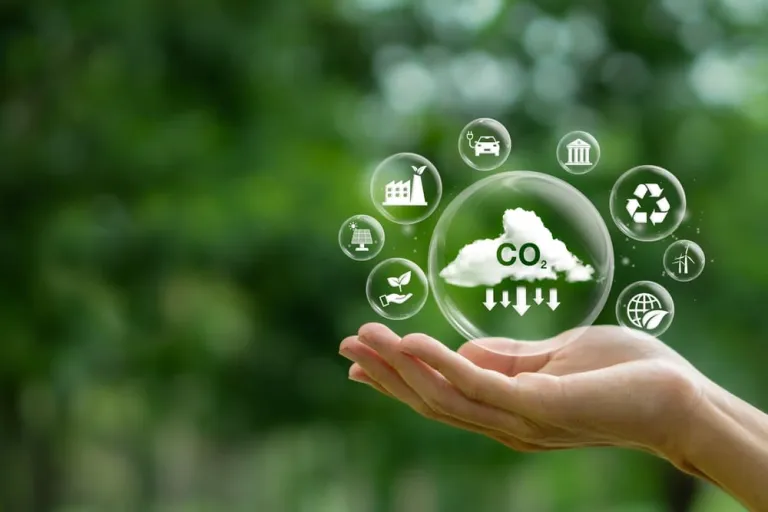
Mitigation, on the other hand, means action to reduce or prevent greenhouse gas emissions, the main cause of climate change. Mitigation measures aim to cut the amount of these gases in the atmosphere and so slow global warming. Examples include using renewable energy, reforestation, and improving energy efficiency in transportation and industry.
Why Are Adaptation and Mitigation Important for Tackling Climate Change?
Adaptation and mitigation are two complementary approaches in climate management. Both are essential for facing the threat of climate change, and each offers a different but equally important solution:
- Reducing Vulnerability to Climate Change: Adaptation helps communities and the environment adjust to changes that cannot be avoided. That way, the impact of extreme weather such as drought or floods can be kept to a minimum.
- Curbing Global Warming: Mitigation is essential for reducing the cause of climate change, which is greenhouse gases. Without mitigation, adaptation may not be enough, because climate change will keep getting worse.
- Minimizing Social and Economic Costs: Adaptation and mitigation can help reduce the economic cost of environmental damage and of climate disasters that could devastate people's lives.
- Ensuring Sustainability for Future Generations: Both aim to create a more stable and sustainable environment, so future generations can live in climate conditions that are more predictable and safe.
Examples of Adaptation in Climate Management
Adaptation takes proactive steps to make communities and ecosystems more resilient to climate change. Here are some real examples of adaptation:
1. Building Disaster-Resistant Infrastructure
Floods and storms are becoming more frequent because of climate change. Coastal countries such as the Netherlands already practice climate management by building canal systems, dams and dikes to protect their territory from flooding. In Indonesia, building dams and restoring river channels (normalisasi sungai) are also forms of adaptation to flooding.
2. Climate-Resilient Agriculture
In farming, climate change can cause crop failures through unpredictable weather, drought or pest attacks. Adaptation measures include developing drought-resistant crop varieties, more efficient irrigation systems and sustainable farming practices.
3. Protecting Public Health
Climate change can affect human health, for example by increasing the spread of tropical diseases as temperatures rise. Countries adopt adaptation measures that build public health capacity, such as education and disease prevention programs and new health facilities in vulnerable areas.
4. Managing Water Resources
In many countries, climate change has altered rainfall patterns and led to water shortages. Adapting to these changes includes better management of water resources, building reservoirs and policies for more efficient water use.
Examples of Mitigation in Climate Management
Mitigation means the steps taken to slow the pace of climate change by lowering greenhouse gas emissions. Here are some examples of mitigation strategies:
1. Using Renewable Energy
One of the most effective ways to cut carbon emissions is to switch from fossil energy to renewable energy such as solar, wind and hydropower. Many countries and companies are now investing heavily in renewable power generation to replace high-emission, fossil-based energy sources.
2. Reforestation and Forest Conservation
Forests are natural carbon sinks that help reduce the amount of carbon in the atmosphere. Mitigation through reforestation and forest conservation helps protect ecosystems, slow the pace of climate change and safeguard biodiversity.
3. Improving Energy Efficiency
Energy efficiency is an important mitigation measure in many sectors, from transportation to industry. Examples include energy standards for household appliances, the use of public transportation, and technology that improves fuel efficiency in vehicles.
4. Developing Sustainable Agriculture
Agriculture is also a source of emissions, mainly from fertilizer use, soil management and livestock. Mitigation in this sector involves sustainable farming techniques such as organic farming, crop rotation and more efficient fertilizer management.
How Adaptation and Mitigation Relate in Climate Management
Adaptation and mitigation often support each other in the face of climate change. On one hand, mitigation helps lower the risk and scale of climate change, which reduces the need for large-scale adaptation. On the other hand, adaptation lets communities stay resilient against the effects of climate change that cannot be avoided even after mitigation has been carried out.
The two can also be pursued together in integrated programs or policies. For example, protecting wetlands and coastal ecosystems works as an adaptation measure to prevent flooding, and it also brings mitigation benefits because these ecosystems absorb carbon from the atmosphere.
Challenges in Implementing Adaptation and Mitigation
Implementing adaptation and mitigation in climate management faces several challenges, including:
- Limited Funding: Many developing countries have limited resources to carry out adaptation and mitigation strategies. Funding is often the main obstacle to large steps such as climate-resilient infrastructure or renewable energy investment.
- Climate Uncertainty: The complex, unpredictable nature of climate change makes it hard to design adaptation and mitigation strategies that are truly effective and long term.
- Technology Limits: Many technologies needed for mitigation, such as renewable energy or carbon storage, are still being developed and are not yet fully affordable for every country.
- Lack of Awareness and Commitment: Not everyone recognizes how important adaptation and mitigation are, so policy implementation often lacks adequate support.
Conclusion
Climate change is a reality that has to be taken seriously, and both adaptation and mitigation are key to climate management. Although the two approaches differ, they need to be applied together to deal with the effects of climate change while preventing global climate conditions from getting worse.
By understanding the roles of adaptation and mitigation, communities, governments and companies can work together on holistic strategies. The goal is not only to reduce the harm of climate change, but also to protect ecosystems, build long-term resilience and leave a healthy, lasting environment for future generations.
As a practical step, every individual can also contribute to adaptation and mitigation, for example by using less energy, choosing environmentally friendly products and supporting government policies oriented toward sustainability.