
How Life Cycle Assessment Helps Companies Reach Sustainability
Learn how life cycle assessment (LCA) helps companies find environmental hotspots, cut carbon, use resources efficiently and meet sustainability targets.

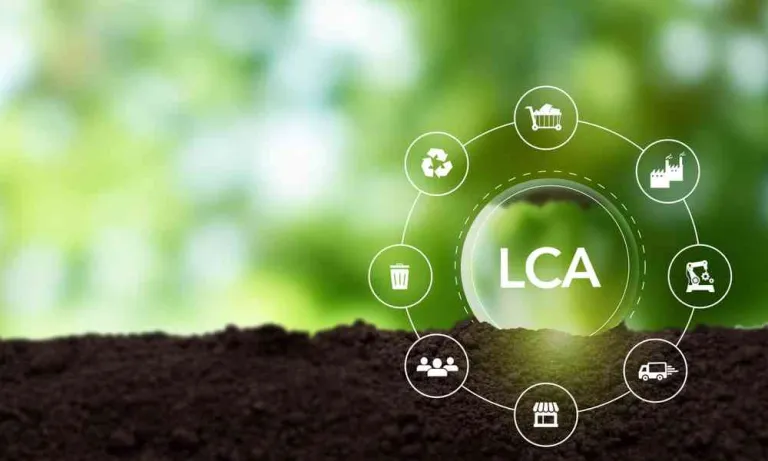
Sustainability has become a top priority for many companies around the world. As awareness grows of how important it is to protect the environment and reduce harm to the planet, many companies are trying to lower their ecological footprint. One of the most effective tools for helping companies reach their sustainability goals is Life Cycle Assessment (LCA).
LCA is a scientific method for assessing the environmental impact of a product or service across its whole life cycle, from raw materials to disposal or recycling. With LCA, companies can identify and reduce the environmental impacts tied to their products or services, and optimize their processes to support sustainability. This article explains how Life Cycle Assessment can help companies reach their sustainability targets.
What Is Life Cycle Assessment?
Life Cycle Assessment (LCA) is an approach for evaluating the environmental impact of a product or service, starting from raw material extraction and running through production, distribution, use and end of life (disposal or recycling). The main purpose of LCA is to give a better understanding of the resources used and the environmental impact created over a product's life cycle.
LCA includes analysis of various environmental impact categories, such as greenhouse gas emissions, water use, energy use, impact on human health and impact on ecosystems. With this information, companies can make better decisions when designing more environmentally friendly products or services.
Why Is LCA Important for Corporate Sustainability?
LCA gives a comprehensive picture of the environmental impact of a product or service. That lets companies identify the parts of the production process that have the greatest effect on the environment, and then make improvements to reduce that impact.
Here are some reasons why LCA is so important for corporate sustainability:
-
Identifying Environmental Hotspots
LCA helps companies identify environmental "hotspots," meaning the areas in the production process or product use that have the largest impact on the environment. For example, a manufacturing company might find that most of its greenhouse gas emissions come from the raw material production stage, not from transport or use of the finished product. Knowing these hotspots lets the company focus on cutting impact in the most critical areas. -
Reducing the Carbon Footprint
LCA lets companies measure their carbon footprint more accurately and plan steps to reduce carbon emissions across the whole product life cycle. This is highly relevant to the global demand to cut greenhouse gas emissions in order to fight climate change. Companies can decide to switch to renewable energy sources or improve energy efficiency at their production facilities to reduce their carbon footprint. -
Improving Resource Efficiency
One important aspect of LCA is identifying resource use in the production process. By evaluating the use of energy, water and other raw materials, companies can find ways to cut waste and improve efficiency. This benefits the environment and can also lower the company's operating costs. -
Complying with Sustainability Regulations and Requirements
Many countries now apply stricter regulations on sustainability and reducing environmental impact. By carrying out LCA, companies can make sure they comply with those regulations and avoid fines or sanctions. LCA can also be a useful tool for meeting environmental certification requirements, such as ISO 14001 or B Corp Certification. -
Improving the Company's Image
Sustainability has become a major concern for consumers and other stakeholders. By adopting LCA and reporting the results transparently, companies can improve their image among consumers who care about sustainability. This can help the company attract more environmentally conscious customers and build stronger relationships with them.
Steps for Using LCA to Reach Sustainability Targets
-
Defining the Goal and Scope of the LCA
The first step in carrying out an LCA is to define its goal and scope. What does the company want to achieve through LCA? Does it want to reduce carbon emissions, optimize energy use or improve raw material efficiency? The company must also set the system boundaries, such as whether the LCA will cover the whole product life cycle or only certain parts of the process. -
Inventory of Resources and Environmental Impacts
Once the goal and scope are set, the next step is to collect the data needed for the analysis. This data covers information on the use of raw materials, energy and water and on production processes, as well as the impacts produced at each stage, such as greenhouse gas emissions or waste generated. An accurate and complete inventory is essential for producing valid LCA results. -
Environmental Impact Analysis
After the data is collected, the next step is to analyze the environmental impact. This involves calculating the environmental impact produced by resource use and emissions at each stage of the product life cycle. The analysis can cover various impact categories, such as global warming, ocean acidification and water pollution. -
Finding Opportunities for Improvement
By understanding the environmental impact produced by a product or service, the company can start looking for opportunities to improve. These might include changing the product design, switching to more environmentally friendly raw materials, improving energy efficiency, or optimizing production processes to reduce waste. LCA provides very useful information for making wiser decisions about the improvements that can be made. -
Implementing Solutions and Measuring Improvements
Once improvement opportunities are found, the company must implement suitable solutions to reduce environmental impact. Implementation should come with measurement and monitoring to make sure the changes really do reduce environmental impact and reach the sustainability goals that were set. -
Reporting and Communicating LCA Results
Finally, the company must report its LCA results to stakeholders, including customers, investors and regulators. Transparent communication about the environmental impact of products and the steps taken to reduce it is essential for building trust and strengthening the company's sustainability reputation. The report can also be used to update the company's sustainability policy and make sure the company stays on track to reach its goals.
Conclusion
Life Cycle Assessment is a very valuable tool for helping companies reach their sustainability targets. By carrying out LCA, companies can identify the areas with the biggest environmental impact, optimize resource use and reduce their carbon footprint.
LCA also gives companies better insight into how their products affect the environment across their life cycle, which lets them make better and more sustainable decisions.
In addition, LCA not only helps companies with environmental sustainability but can also improve operational efficiency and raise the company's reputation among consumers who increasingly care about sustainability. By building LCA into their sustainability strategy, companies can lead the shift toward a greener and more sustainable future.