4 Challenges of Implementing Blended Learning in Schools
Blended learning is an innovative teaching approach, but it has hurdles. Here are four blended learning challenges schools face and how to ease them.

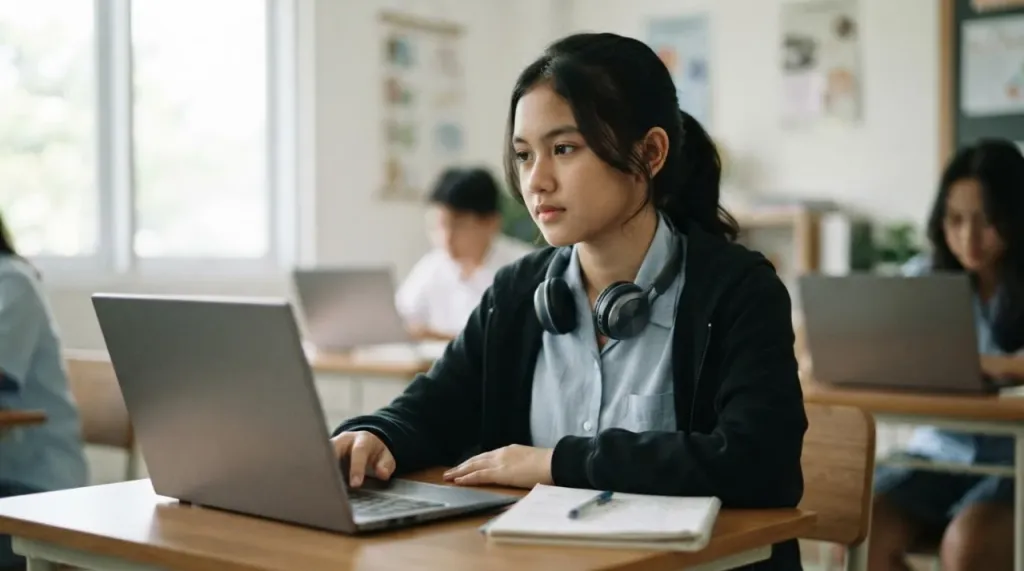
Education has seen plenty of change in how students are taught. With the help of technology and a growing need for knowledge, it is no wonder that an approach called blended learning has spread so widely. Although it is considered good and innovative, this approach tends to be held back by the following four challenges.
Limited Understanding of How Effective It Is for Learning
With less face-to-face teaching, many people question this method, especially its effectiveness. The digital side of the approach is often seen as an obstacle, because it has drawn little positive response. This mixed picture is hard to shake from the public mindset.
Yet if educators and schools do their best, this style of learning is just as serious as the traditional approach. Schools can work on providing suitable technology as well as a strong curriculum. Students also get more flexible study time, which helps raise their learning productivity.
Technology Needs in the Classroom
There is no denying that this approach focuses on technology and more flexible education. That is why it is considered hard to apply in every school. It comes down to the need to carefully evaluate how to upgrade school facilities, which may reduce the chances of some institutions trying blended learning at all.
Problems With Participation and Attendance
It is a pity that technology often becomes a problem in supporting education. The problem is most visible during online, remote or self-paced learning. It is common to find students choosing not to attend, or not taking full part in the class they are given.
The causes vary. They range from technology's strong pull on students to try new things, to distraction, to being unable to keep up with the digital demands the school sets. In this case, schools and teachers can put their heads together to make technology more engaging, for example with games, interactive files and social media platforms.
Keeping Class and Student Progress on Track
There is no denying that most Indonesians still hold on to rigid, traditional education. In it, the teacher is the center of learning, paper-based tests are used and learning outcomes come in the form of a report card. In addition, a lack of experience and knowledge of technology is a barrier for both students and teachers.
An outdated mindset makes this approach hard to accept. This can be avoided by educating people thoroughly about the main goals of blended learning itself: flexible study time, broader learning materials, more personalized teaching and the ability to take part in the digital world.
These four challenges can serve as positive moral encouragement for every school that wants to move forward. Hybrid and blended approaches can be developed to fit students' needs and each school's conditions. If you would like to see the process firsthand, Sekolah Murid Merdeka has successfully applied the approach.