
4 Serious Pregnancy Complications Every Mom-to-Be Should Know
Pregnancy complications can be life-threatening. Learn about hyperemesis gravidarum, miscarriage, anemia and bleeding, and when to see an obstetrician.

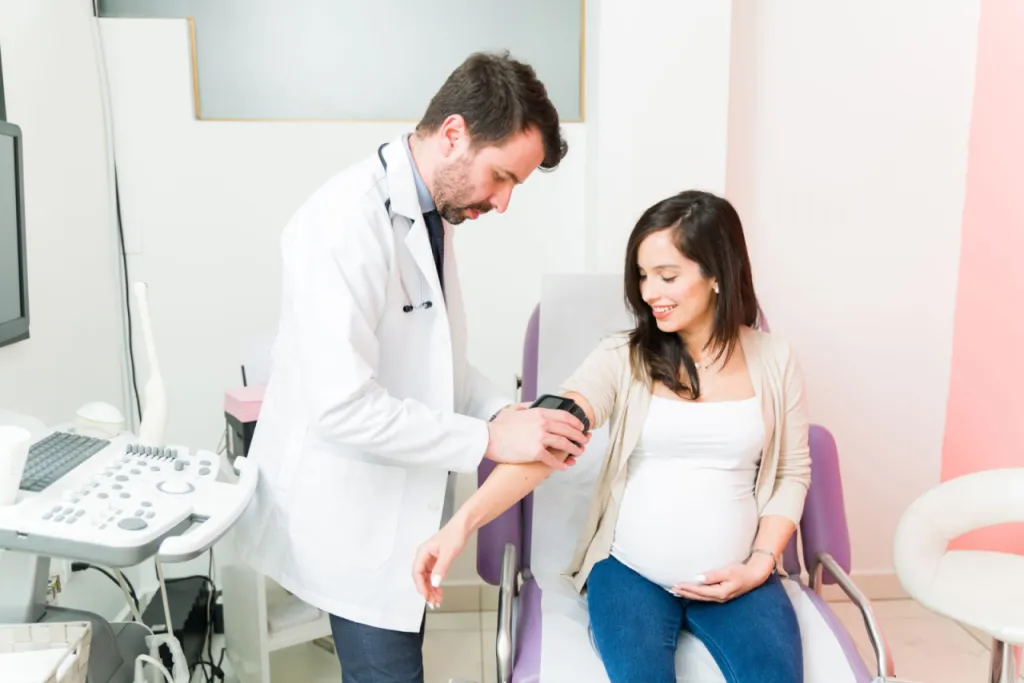
Besides minor health complaints such as constipation, cramps and hemorrhoids, pregnant women can sometimes develop complications that threaten their lives. The causes vary widely, and so do the types of complication. If you experience any of them, you should see an obstetrician's clinic right away. Here are 4 types of complications that are dangerous for pregnant women.
Dangerous Pregnancy Problems
-
Hyperemesis Gravidarum
Judging by its symptoms, hyperemesis gravidarum is somewhat similar to morning sickness. The symptoms, however, are far heavier and more severe. A pregnant woman with hyperemesis gravidarum will feel nauseous and vomit for a longer period, even into the second or third trimester. If left untreated, she will become dehydrated.
The cause of hyperemesis gravidarum is not known for certain. What is certain is that it is linked to rising hormone levels. To prevent a much worse problem, you need to see a doctor. The doctor will usually advise the patient to be put on an IV drip and treated in the hospital.
-
Miscarriage
Miscarriage is a very serious pregnancy problem that results in the death of the fetus. It is marked by vaginal bleeding and abdominal pain that spreads to the back. If you feel these signs, go to an obstetrician's clinic immediately.
The causes of miscarriage are many. The most common are hormonal disorders, immune disorders, smoking, overexertion, uterine abnormalities, a weak cervix and alcohol consumption. The risk of miscarriage also rises for pregnant women with certain illnesses, such as high blood pressure, diabetes and thyroid disorders.
-
Anemia
Red blood cells, or hemoglobin, are the blood component that carries oxygen to every part of the body. Making this compound requires iron, folic acid and vitamin B12. The intake of these nutrients must therefore be sufficient, especially for pregnant women, because it greatly affects the growth of the fetus.
When a pregnant woman's body cannot produce enough hemoglobin, anemia develops. This condition is marked by fatigue, dizziness, pale skin, difficulty concentrating and shortness of breath. Anemia must be treated promptly because it can cause low birth weight and trigger premature birth.
-
Bleeding
You must go to an obstetrician's clinic if you experience bleeding during pregnancy. Bleeding is especially common in women in the first trimester. It may well be followed by symptoms of miscarriage. Seeing a doctor is therefore something you should do right away.
Those are some of the complications, or health problems, that are dangerous for pregnant women. It is no wonder, then, that pregnant women should see an obstetrician regularly. The point is to prevent unwanted outcomes. The baby's development can also be monitored closely. As a result, the birth can go safely.