
Machu Picchu: History of the Inca City Hidden in the Clouds
Explore Machu Picchu history: the Inca city hidden in the Andean clouds, its stonework, rediscovery in 1911, preservation and cultural meaning.

Contents
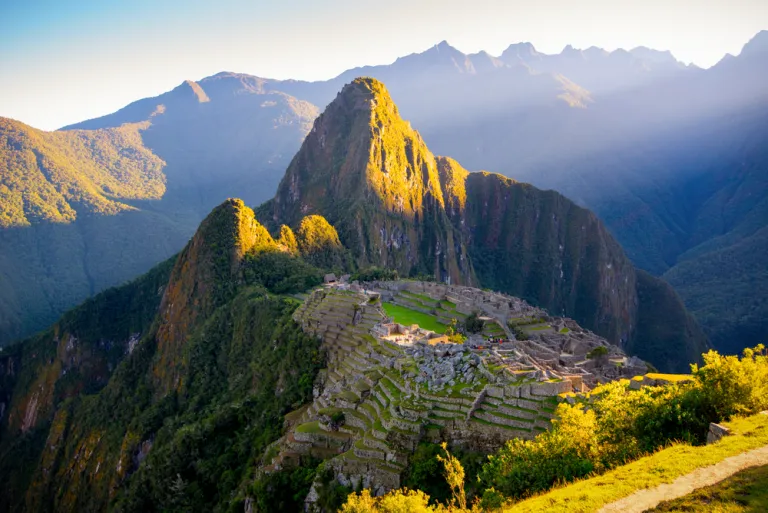
Machu Picchu, often called the "Lost City of the Incas," is one of the world's most striking and mysterious wonders. Perched on a mountaintop in the Andes of Peru, the city offers dramatic views and a story that stirs the imagination. In this article we explore the history, architecture, rediscovery and lasting appeal of Machu Picchu, which make it one of the most famous tourist destinations in the world.
The History of Machu Picchu
Machu Picchu was built in the mid-15th century under the Inca ruler Pachacuti, an ambitious and visionary leader. The city is thought to have been a retreat for the Inca elite, although its function and use are still debated among archaeologists. Machu Picchu is believed to have been abandoned about a century after it was built, most likely because of smallpox brought by European explorers or because of the political collapse of the Inca empire.
Remarkable Architecture
Machu Picchu is an outstanding example of Inca architectural skill. The city was built using a technique known as dry-stone ashlar masonry, in which stones are cut and fitted together with great precision without mortar. The structure is highly earthquake resistant, which matters in a region with frequent seismic activity.
Key Structures at Machu Picchu
- Intihuatana: A ritual stone at the city's highest point, used as an astronomical pointer, particularly to determine the solstices.
- Temple of the Sun: Known for its windows that line up exactly with the sunrise at the summer solstice.
- Room of the Three Windows: This room is considered sacred and features three large windows that open directly onto the main plaza.
The Rediscovery of Machu Picchu
Though it was never truly "lost" to local people, Machu Picchu was introduced to the international world again by the American archaeologist Hiram Bingham in 1911. Bingham, who was originally searching for another Inca city, Vilcabamba, was led to Machu Picchu by a local farmer. The discovery drew wide attention and became the subject of many scientific expeditions.
Tourism and Preservation
As Machu Picchu's popularity as a tourist destination grew, so did concern about its preservation. UNESCO designated Machu Picchu a World Heritage Site in 1983, recognizing its outstanding historical and architectural value. Challenges keep emerging, however, including environmental and infrastructure damage caused by ever-growing visitor numbers.
Cultural and Spiritual Impact
Machu Picchu is more than an archaeological site. It is a symbol of Inca resilience and cultural pride. For many people, a visit to Machu Picchu is a spiritual journey, a chance to connect with the intelligence and spirituality of a civilization long gone. Rituals and traditions, many of which live on through modern Quechua culture, add another dimension to the experience.
The Future of Machu Picchu
The question of how we manage and protect Machu Picchu for future generations remains relevant. With improving technology and conservation methods, the hope is that we can preserve this wonder while minimizing the negative effects of global exposure.
Conclusion
Machu Picchu continues to captivate everyone who sees it, whether in person or in photographs. As the "City Hidden in the Clouds," it speaks not only to humanity's ability to reshape a landscape, but also to our tendency to leave mysteries that draw us back. By exploring these ancient ruins, we get the chance to step into the Inca world, understand their relationship with nature and the cosmos, and appreciate a beauty that does not fade with time.