
Why Dinosaurs Still Inspire Modern Predators in Nature
Dinosaurs and modern predators share hunting tactics, body designs and ecosystem roles. See how T. rex and raptors echo in lions, cheetahs and crocodiles.

Contents
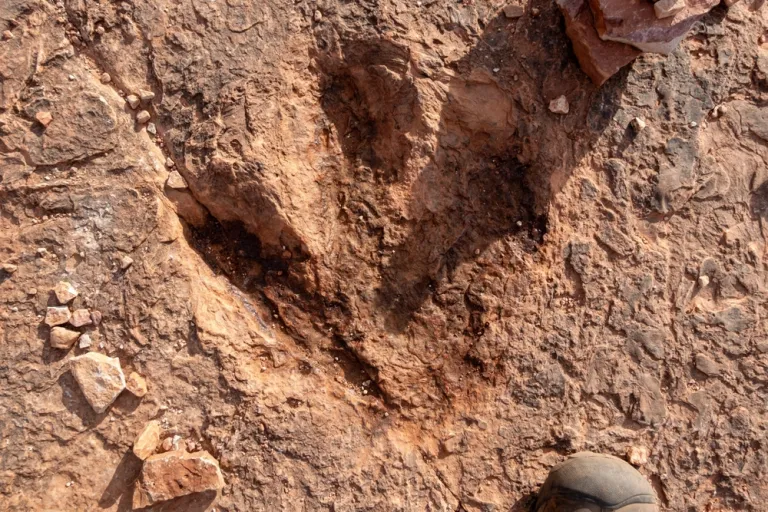
Dinosaurs, prehistoric creatures that dominated the Earth for millions of years, went extinct long ago. Yet even though they are gone, traces of their existence live on in many forms. One aspect that keeps inspiring people is how dinosaurs, especially the large predators, left a strong legacy in the modern animal world. From hunting strategies to remarkable body adaptations, dinosaurs still offer important lessons for today's predators. This article explores why dinosaurs continue to inspire modern predators, in physiology, behavior and survival strategy.
The Biggest Predators of Their Time
Dinosaurs were among the largest predators ever to exist on Earth. Tyrannosaurus rex, for example, was one of the strongest and best-known predators ever to live on this planet. At more than 12 meters long and weighing up to 8 tons, T. rex was a much-feared hunter. Its position as an apex predator makes it an inspiring model for modern predators that still maintain efficient hunting patterns.
Although animals like T. rex are extinct, their legacy can still be seen in the hunting tactics of modern predators. Lions and tigers, for example, although smaller in size, adopt hunting tactics similar to those of predatory dinosaurs. Lions, as group hunters, work together in a pride to bring down prey far larger than themselves. Tigers, which more often hunt alone with cunning and bodily strength, likewise recall the way dinosaurs like T. rex hunted with extraordinary physical power.
Physical Structures That Inspire
The physical structure of dinosaurs is also a source of inspiration for modern predators. Dinosaurs such as Velociraptor and Utahraptor are known for their slim bodies and extraordinary speed. They were equipped with sharp claws and serrated teeth designed to tear into prey efficiently. Although smaller than predators like T. rex, their ability to move fast and hunt with precision was one of their greatest strengths.
This speed and agility are also found in modern predators such as the cheetah. Cheetahs use high speed to chase down and bring down their prey, much like the way Velociraptor and other small predators hunted in the past. In fact, the body structure of modern animals like the cheetah, with strong leg muscles and a light frame, may have been inspired by the physical abilities of agile small dinosaurs.
Meanwhile, in large predators such as tigers, Komodo dragons and even crocodiles, we can see adaptations similar to those of apex predator dinosaurs. Crocodiles, for example, which have existed since the age of the dinosaurs, have a body that has barely changed and remain efficient predators in the water. Their bite force and ambush tactics reflect how large dinosaurs hunted in the past.
Hunting and Survival Strategies
Dinosaurs, like modern predators, had to develop effective hunting and survival strategies to ensure their survival in a harsh world. Many predatory dinosaurs relied on camouflage, speed and physical strength to hunt. For example, Velociraptor is thought to have used group hunting tactics to attack larger prey, much like modern wolves hunting in packs.
In addition, many large dinosaurs, such as T. rex, also served as apex predators in the food chain. They did not hunt only to eat, but also controlled prey populations, which helped keep ecosystems in balance. This is similar to the role of modern predators such as lions and tigers, which act as apex predators in their ecosystems, sustaining other species by controlling herbivore populations.
On the other hand, smaller dinosaurs such as Protoceratops or Hypsilophodon probably survived by running fast and hiding to avoid large predators. Smaller modern predators, such as wild cats or dogs, also often use speed and the ability to hide as tactics to survive and hunt.
Physiology That Has Lasted Through Time
Besides physical and behavioral adaptations, there are physiological aspects of dinosaurs that inspire modern predators. For example, the dinosaurs' sharp vision and excellent sense of smell gave them an advantage in hunting. These strengths closely resemble the abilities of modern predators such as eagles, which have far sharper vision than most other animals, or snakes, which have a highly developed sense of smell for tracking prey.
A keen sense of smell and the ability to detect small changes in the surrounding environment are hallmarks of many modern predators that, like dinosaurs, depend on their senses to survive. Crocodiles, for example, can detect vibrations in the water, letting them know prey is coming long before it is seen.
Dinosaurs' Influence on Ecosystems
Dinosaurs played an important role in keeping ecosystems in balance in their day. Large predators such as T. rex acted not only as apex hunters but also helped keep the number of herbivores under control, which in turn kept vegetation and the ecosystem healthy. The same holds for modern predators. Lions and tigers keep their prey populations in check, which leads to greater diversity of other species in the same habitat.
The great influence of dinosaurs on ecosystems can be seen as the forerunner of the concept of the apex predator in modern ecosystems. Although the world has changed a great deal since the Mesozoic era, the basic principle about the important role of apex predators in keeping nature in balance remains relevant today.
The Dinosaur Legacy Beyond the Animal Kingdom
Not only in the animal world, the influence of dinosaurs also extends to the human world. Many physical features and behaviors of modern predators can be seen as the result of inspiration passed down from dinosaurs. In popular culture, too, dinosaurs are often portrayed as symbols of power and ferocity, inspiring hunter characters in films, books and other media.
Although dinosaurs went extinct millions of years ago, their traces continue to inspire modern predators. From strong body structures to efficient hunting tactics, these animals offer many lessons passed on by today's predator species. Beyond that, the legacy of these extinct animals also teaches us the importance of the apex predator's role in keeping ecosystems in balance, a lesson that remains relevant today. By observing the behavior and physiology of modern predators, we can see how dinosaurs, though long gone, live on in the animal world around us.