
Heart Failure vs Coronary Heart Disease: What Sets Them Apart
Heart failure vs coronary disease: see how the causes, symptoms and treatment differ, and when a doctor may recommend a cardiac intervention.

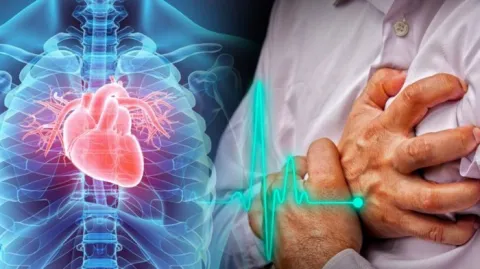
The heart is a vital organ whose job is to pump blood to the entire body. For a number of reasons, though, the heart can develop problems serious enough that a doctor recommends cardiac intervention (interventional cardiology). Heart disease itself covers several different conditions. So what sets heart failure apart from coronary heart disease? Here is a look at both.
Heart Failure
Heart failure is a condition in which the heart cannot pump blood to the whole body because of factors such as narrowed blood vessels, high blood pressure or a weakened heart muscle. It can occur at any time and persists, accompanied by several symptoms.
Symptoms in heart failure patients include dizziness, fatigue and weakness, coughing, swelling around the abdomen, ankles and feet, difficulty concentrating, loss of appetite, and shortness of breath even when lying down or resting. This condition makes patients uncomfortable doing any activity.
Heart failure can be treated with several methods, such as surgery, medication and implanted assist devices. The surgical procedures for heart failure fall into three types: heart transplant surgery, bypass surgery and heart valve surgery. Before any of these procedures, doctors will usually perform a cardiac intervention.
Coronary Heart Disease
Coronary heart disease is a condition in which blood flow is blocked by plaque that builds up on the artery walls. As a result, the blood flowing to the heart muscle is disrupted, which lowers the supply of oxygen in the blood. This is what causes chest pain, often called a heart attack.
The main symptom for people with coronary heart disease is severe chest pain. The pain then spreads to other parts of the body, starting with the left arm and the chin, then reaching the cheek and the pit of the stomach. The pain is also accompanied by growing weakness, a pounding heartbeat and cold sweats.
Coronary heart disease itself is caused by several factors, such as high cholesterol, the medications a person takes, psychological conditions, an unhealthy lifestyle and age. Although the disease usually strikes older adults, children and teenagers are also at risk of coronary heart disease.
Doctors usually advise patients with coronary heart disease to have regular check-ups with a cardiologist. The specialist will help treat the disease and listen to every complaint before prescribing medication. If the condition does not improve, the doctor will ask for a cardiac intervention as the solution.
Although both affect the human heart, heart failure and coronary heart disease are different. The difference shows in what causes the patient's pain. Coronary heart disease is caused by a blockage of blood flow in the vessels, while heart failure can be caused by coronary heart disease or by other conditions.
You can talk to an expert about your heart health, such as a cardiologist at one of the nearest heart care centers. Heartology Cardiovascular Center is one heart hospital with an experienced team of doctors and complete facilities to support the needs of heart patients.
One of the experienced heart doctors at Heartology in coronary intervention is dr. Suko Adiarto, Sp.JP (K). He is a cardiologist with a subspecialty in interventional cardiology who completed his medical education at the Faculty of Medicine, Universitas Indonesia, in 1997. After that, he focused on the specialty of heart and blood vessel disease in the Department of Cardiology and Vascular Medicine at the same university.