Excavator for Leveling Ground and Asphalt: Uses and Types
Using an excavator for leveling ground and asphalt: types, techniques, advantages and limits, plus how it supports road and construction projects.

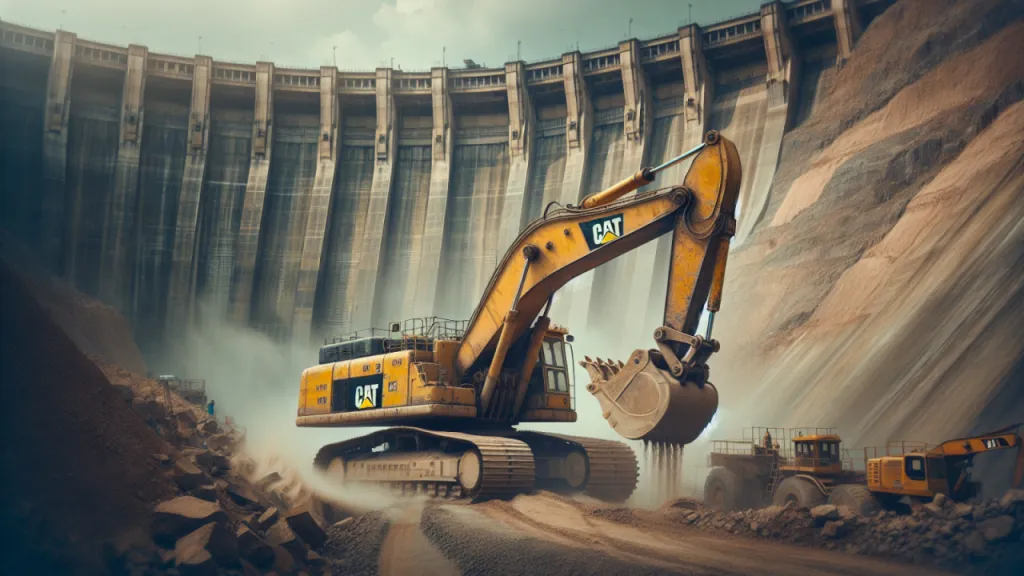
In construction and infrastructure building, heavy equipment is an absolute necessity. One type of heavy equipment that plays a crucial part in building work is the excavator. Although it is best known as a digging machine, an excavator is also very effective at leveling ground and is even used when roads are paved with asphalt. This multifunctional role makes the excavator one of the most widely used machines on projects of every size, from small jobs to national road construction.
Contents
- What an Excavator Does on a Construction Project
- Why an Excavator Works Well for Leveling Ground and Asphalt
- Types of Excavators Suited to Leveling Ground and Asphalt
- Techniques for Leveling Ground and Asphalt with an Excavator
- Advantages of Excavators on Leveling Projects
- Limits of Excavators in Asphalt Leveling
What an Excavator Does on a Construction Project
An excavator is a heavy machine whose main structure consists of a boom, an arm, a bucket and a cabin, mounted on an undercarriage with either tracks or tires. With this structure, an excavator moves flexibly over many kinds of terrain and can be used for digging, lifting material, demolishing old structures and leveling the surface of soil and asphalt.
When leveling ground, the excavator uses its bucket to push and spread material. An experienced operator can control the slope and elevation of the ground with high precision.
In paving, an excavator is often used to level the base surface before the asphalt layer is poured, or even to help re-level asphalt that is still hot and soft.
Why an Excavator Works Well for Leveling Ground and Asphalt
One reason the excavator is a favorite for ground leveling is its flexibility and reach. With a hydraulic arm that can move at many angles, the operator can level ground in areas that other heavy equipment, such as a motor grader or bulldozer, struggles to reach. An excavator can also work in confined spaces, such as between buildings, on cliffs or on uneven areas.
In asphalt work, the excavator does not replace the asphalt paver or the roller but supports them. It can be used to spread road base aggregate evenly, adjust the elevation and contour of the roadway before asphalt is poured, and help repair damaged or bumpy asphalt. In some conditions, the excavator bucket is also used to level hotmix that has not yet been compacted.
Types of Excavators Suited to Leveling Ground and Asphalt
Several types of excavators are commonly used for this work, including:
-
Crawler Excavator (Tracked)
This type is well suited to uneven terrain and heavy work. The track system gives high stability when working on areas with different elevations or soft ground. Crawler excavators are typically used in road construction that calls for durability and long reach. -
Wheeled Excavator (Tires)
More flexible and quicker to mobilize, a wheeled excavator suits work in urban areas or on roads that are already paved. This type is more efficient on projects that need high mobility, such as road repair or resurfacing. -
Mini Excavator
This small excavator is ideal for work in tight areas such as residential neighborhoods, drainage channels or small projects. Although its working power is more limited, a mini excavator can still level soil or the road base layer before paving.
Techniques for Leveling Ground and Asphalt with an Excavator
Leveling ground with an excavator is done in stages. The operator must understand the ground contour, the elevation points and the thickness of material required. Work usually starts by pushing soil from high points to low points, then spreading it again until it is even.
The excavator bucket can be set at a certain angle to help spread material smoothly. In asphalt work, the excavator helps level base material such as sand or aggregate before the hotmix layer goes on.
In some conditions, an excavator is also used to level freshly poured asphalt, especially on repair or patching projects where equipment such as an asphalt finisher or tandem roller cannot be used.
Advantages of Excavators on Leveling Projects
-
Flexible and Versatile
An excavator can be used for many kinds of work besides leveling, which makes it more efficient in both cost and operation. -
Effective on Difficult Terrain
With high maneuverability, an excavator can work in areas with limited access or unstable ground. -
High Precision
With a reliable operator, an excavator can level surfaces with good precision, including following planned contours and elevations. -
Time Efficiency
An excavator lets work get done quickly, especially when it works as a team with other heavy equipment such as dump trucks and compactors.
Limits of Excavators in Asphalt Leveling
Although versatile, an excavator is not the main tool for leveling hotmix asphalt. Final road surfacing calls for special equipment such as an asphalt finisher and tandem roller. Excavators are better suited to supporting work or the early stages.
In addition, a metal bucket must be used with care on hot asphalt so it does not damage the surface or create cracks before compaction is finished.
Conclusion
An excavator is not just a machine for digging or moving soil. It is also very effective for leveling ground and even for stages of asphalt work. With its many types and sizes, an excavator can serve a range of project needs, from shaping the road base surface and spreading aggregate to repairing the asphalt layer.
On road and infrastructure projects, the excavator is often the first machine to arrive and the last to leave the site because its role is so broad. For contractors and construction service providers, mastering how to use an excavator for leveling can be an important competitive advantage.
As heavy equipment technology develops, excavators are now fitted with automation features, GPS and hydraulic control systems that further improve the efficiency and accuracy of the work. With this technology, leveling ground and asphalt can be done faster, more precisely and with less environmental impact.