Best Cereal for Weight Gain: Wheat Cereal Benefits and Tips
The best cereal for weight gain is made from wheat, like YAVA cereal. Learn its benefits, which types add calories and how it affects acid reflux.

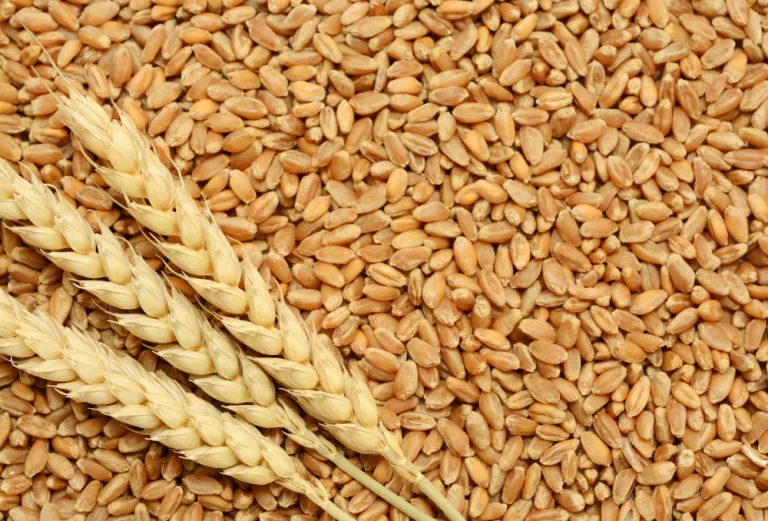
Wheat cereal is a food product made from wheat. Common wheat cereal products include breakfast cereal, whole grain cereal and muesli. These products are usually eaten for breakfast, often with milk or yogurt.
Wheat cereal can be part of a healthy diet because it is often high in fiber, vitamins, minerals and other essential nutrients. Many wheat cereals are also fortified with extra vitamins and minerals, such as B vitamins and iron.
Contents
Wheat cereals come in many varieties, including low-sugar, organic and gluten-free cereals and more, so you can choose the one that suits your preferences and dietary needs.
Before buying wheat cereal, be sure to read the nutrition label and the ingredient list to confirm that the product fits your diet goals, such as weight loss, better heart health or another special diet.
Health Benefits of Wheat Cereal
Cereal has several benefits for your body's health. Here are the main benefits of eating cereal:
- Rich in fiber: Cereal, especially whole wheat cereal, is a good source of dietary fiber. Fiber helps keep digestion healthy, prevents constipation and lowers the risk of colon disease.
- Source of energy: Cereal contains complex carbohydrates, which are an important source of energy for the body. They can give long-lasting energy that keeps you feeling full longer.
- Rich in nutrients: Cereal is often fortified with a range of vitamins and minerals, such as B vitamins, iron, folic acid and zinc. This makes it an important part of a balanced diet.
- Lower risk of heart disease: Regularly eating whole wheat cereal has been linked to a lower risk of heart disease. The fiber and nutrients in cereal can help keep blood pressure and cholesterol within healthy limits.
- Lower risk of diabetes: Some studies suggest that eating whole wheat cereal can help reduce the risk of type 2 diabetes. The fiber in cereal can help regulate blood sugar levels.
- Weight loss: High-fiber cereal tends to keep you full longer, which can help with weight loss efforts by reducing your overall calorie intake.
- Brain health: Some breakfast cereals are fortified with nutrients that matter for brain development and health, such as folic acid and iron.
- Lower risk of cancer: Some types of high-fiber cereal can help reduce the risk of colon cancer.
It is important to choose a cereal that is low in sugar and low in salt, and to watch your portion size to get the most health benefit.
You can also pair a good cereal with low-fat milk, yogurt or fresh fruit for a more balanced meal.
Can Wheat Cereal Help You Lose Weight?
Wheat, especially whole wheat, can play a role in helping you lose weight as part of a balanced diet and a healthy lifestyle. There are several reasons for this:
- High fiber: Whole wheat contains a lot of dietary fiber, which can keep you feeling full longer. This can help you feel satisfied with smaller portions, reducing your overall calorie intake.
- Low glycemic index: Whole wheat has a low glycemic index, which means its carbohydrates are digested slowly and don't cause sharp spikes in blood sugar. This helps control your appetite and reduces the urge to snack on unhealthy foods.
- Nutrients: Whole wheat contains a range of essential vitamins and minerals as well as plant protein. These nutrients support your overall health, so you feel fitter and may be more active.
It is important to understand, though, that wheat on its own is not a magic cure for weight loss. It should be part of a balanced, healthy diet. Here are some tips:
- Vary your food: Besides wheat, make sure you eat a range of healthy foods such as vegetables, fruit, protein and healthy fats.
- Controlled portions: Although wheat can help you feel full, it is still important to keep track of your portion size so you don't overeat.
- Exercise: Combine eating wheat with regular exercise. Exercise is an important component of any weight loss effort.
- Avoid packaged wheat-based products: Wheat products such as white bread and wheat cereals that are high in sugar and heavily processed won't give you the same benefits as whole wheat. Choose whole wheat or low-sugar wheat products.
- Consult a nutritionist: If you are serious about losing weight, consult a nutritionist or doctor for guidance that fits your needs.
Remember that healthy weight loss usually involves changes to your overall eating pattern and lifestyle, not just one type of food.
Which Wheat Cereals Are Good for Gaining Weight?
If you are looking for a wheat cereal that helps you gain weight, it is important to choose a product with a higher calorie and nutrient content.
Some good cereals that can help you gain weight are those with more healthy fats, protein and carbohydrates. Here are some options you can consider:
- Granola: Granola is a cereal rich in grains, nuts, dried fruit and fiber. Granola is high in calories, and you can eat it with milk or yogurt, or as a snack. Be sure to choose a granola that is low in added sugar.
- Muesli: Muesli is a mix of grains, nuts, dried fruit and fiber. Muesli tends to be higher in calories than ordinary cereal. You can eat it with yogurt, milk or fruit.
- Whole grain cereal: Whole grain cereal is a good choice for gaining weight because it is rich in fiber, vitamins and minerals. You can choose a high-calorie whole grain cereal with little added sugar.
- Grain and nut cereals: Some cereals contain a mix of grains and nuts, which usually provide more healthy fats and protein. This can help you gain weight.
- Add extras: You can modify an ordinary cereal by adding high-calorie ingredients such as pieces of dried fruit, nuts or honey. This will increase your calorie and nutrient intake.
- Cereal with high-calorie milk or milk alternatives: You can add full-fat milk, nut milk or full-fat yogurt to your cereal to increase the calories.
Keep in mind that healthy weight gain should be supported by a balanced diet that also includes other foods such as vegetables, fruit and healthy protein.
Always consult a nutritionist or doctor before making significant changes to your diet, especially if you have a weight gain goal.
Is Wheat Cereal Good for Acid Reflux?
When talking about a good cereal and acid reflux, it is important to consider a few factors. Your choice of cereal can affect your stomach acid health. Here are some points to consider:
- Choose low-sugar, low-fat cereals: Cereals high in added sugar and fat can stimulate stomach acid production and cause acid reflux. So choose cereals that are low in sugar and fat.
- Avoid sour-flavored cereals: Some cereals may have a sour or spicy flavor, such as citrus-flavored cereals. These can irritate the stomach and raise the risk of acid reflux.
- Choose whole wheat cereals: High-fiber whole wheat cereals can help reduce the risk of acid reflux. Fiber helps control stomach acid and keep digestion healthy.
- Avoid instant cereals: Heavily processed cereals, especially those that are overly processed, may not be good for your stomach acid. These products often contain chemicals, artificial sweeteners and trans fats that can cause digestive problems.
- Watch your portion: Eating too much cereal at once can fill the stomach and trigger acid reflux. Be sure to control your portion size.
- Eat on an empty stomach or with other foods: Some people find that eating cereal on an empty stomach irritates the stomach more. Try eating cereal as part of a balanced breakfast or with other foods.
- Avoid eating before bed: Eating, including cereal, before bed can raise the risk of acid reflux when you lie down. Try to eat a few hours before bedtime.
- Consult a doctor: If you have serious stomach acid problems or gastroesophageal reflux disease (GERD), it is best to consult a doctor or nutritionist for guidance that fits your situation.
Everyone has a different tolerance for certain foods, so it is important to try things out and see how your body reacts to cereal and other foods.
If you feel that a particular cereal triggers uncomfortable acid reflux symptoms, it is best to avoid it and talk to a health professional if the symptoms continue.