Classic Indonesian Lebaran Cookies: A Nostalgic Look Back
Look back at the Lebaran cookies of old: nastar, kue kacang, putri salju, semprit, kue lumpur and kue lapis, and the family traditions behind them.

Contents
Eid al-Fitr (Idul Fitri) is not only a sacred moment for Muslims to celebrate the victory that follows a full month of fasting. Lebaran is also a time when distinctive traditions, including food traditions, brighten the mood. One tradition closely tied to Lebaran is the serving of special cookies and cakes called kue Lebaran. Let's pause for a moment and recall the sweet memories of the Lebaran cookies of old.
Lebaran Cookies: A Tradition That Has Outlasted the Years
Lebaran cookies have become an inseparable part of how Indonesians celebrate Eid al-Fitr. From generation to generation, these treats have been a symbol of happiness and warmth in welcoming the day of victory. In an atmosphere full of gratitude and togetherness, Lebaran cookies decorate the dining table as proof of joy and a longing for silaturahmi, the custom of visiting and keeping family ties.
Making Lebaran Cookies: A Meaningful Family Ritual
In the old days, making Lebaran cookies was not just an ordinary cooking activity but a meaningful family ritual. Mothers would gather in the kitchen and mix the ingredients with love and patience. The children took part too, helping with small jobs such as rolling out the dough, shaping the cookies or decorating them cheerfully.
The Variety of Lebaran Cookies in the Old Days
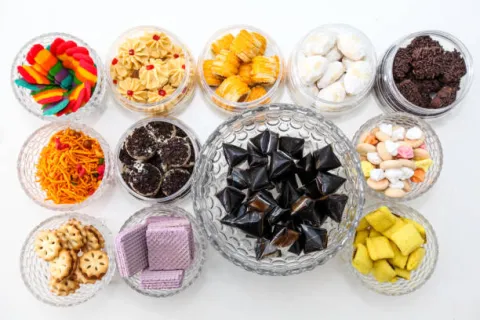
- Nastar: A round cookie with pineapple jam in the middle. Nastar is one of the most iconic and most sought-after Lebaran cookies. Its sweet, rich flavor tempts anyone who tries it.
- Kue Kacang (peanut cookies): Kue kacang is a Lebaran cookie made from a mix of wheat flour, peanuts, sugar and butter. It has a crisp, savory texture that is very appetizing.
- Kue Putri Salju (snow white cookies): A small round cookie coated in powdered sugar so that it looks like snow. Its sweet, soft taste makes it a favorite of many people.
- Kue Semprit (piped butter cookies): Kue semprit comes in many shapes, from flowers to stars. Made from a mix of wheat flour, butter, sugar and eggs, it has a crisp texture with a soft center.
- Kue Lumpur: Kue lumpur is a round cake with a soft texture and a distinctive sweet flavor. It is usually decorated with chocolate sprinkles (meses) or almonds on top.
- Kue Lapis (layer cake): Kue lapis is a cake made of colored layers stacked in alternation. The time and hard work it takes to make it are what make this cake so special.
The Sweet Memories Behind Lebaran Cookies
Every Lebaran cookie has a story and sweet memories behind it. Making them is not only preparation for welcoming guests who come to visit. It is also a chance to be together with family, sharing laughter and stories. The memory of the fragrant aroma of cookies drifting through the kitchen, the sound of cheerful laughter filling the room and the happiness shining from every corner of the house will always stay in our minds as part of the unforgettable Lebaran tradition.
Lebaran Cookies Today
Even though times keep changing and people's lifestyles have been transformed, the tradition of making Lebaran cookies is still kept alive and preserved. Most people now prefer to buy these cookies rather than make them themselves because of limited time and busy schedules, but the values of togetherness and the longing for tradition live on.
Remembering a Treasured Tradition
Looking back on the Lebaran cookies of old is not just nostalgia. It is also a way of appreciating the values of family, simplicity and togetherness that they carry. In the busy, hectic pace of modern life, celebrating Lebaran with old traditions is a reminder that behind all the progress, the warmth and togetherness of family remain an unshakable foundation.
Conclusion
Lebaran cookies are not just food but a symbol of simplicity, family warmth and togetherness in welcoming the day of victory. The tradition of making them teaches us the importance of caring for and valuing the cultural roots and values handed down by our ancestors. By recalling the sweet memories of the Lebaran cookies of old, we can feel the warmth and happiness that are present in every moment of the Lebaran celebration.
May this tradition be kept alive and preserved from generation to generation as a valuable cultural heritage for the nation and the country. Happy Eid al-Fitr, and please forgive any wrongs, outward and inward (mohon maaf lahir dan batin). Taqabbalallahu minna wa minkum.