
Blood Sugar After Eating: Why You Should Monitor It
Learn why checking blood sugar after eating matters, what affects it, how to measure it with a glucometer and 6 ways to keep it steady after meals.

Contents
Monitoring blood sugar after eating is becoming more important, especially for people at risk of diabetes or anyone who wants to protect their metabolic health. A post-meal spike in blood sugar gives an important picture of how the body reacts to the food eaten. This article covers why it matters to monitor blood sugar, the factors that affect it, and ways to keep blood sugar levels stable.
What Is Blood Sugar After Eating?
Blood sugar, or glucose, is the body's main source of energy, produced from the food we eat. When a person eats, especially food that contains carbohydrates, blood sugar tends to rise as digestion proceeds. Blood sugar usually peaks about one to two hours after a meal. The ideal blood sugar level after a meal is below 140 mg/dL, though this range can differ depending on an individual's health condition.
Why Is It Important to Monitor Blood Sugar After Eating?
- Identifying Diabetes Risk
Monitoring blood sugar can be a first step in identifying diabetes risk. A person whose blood sugar rises high after eating may have insulin resistance, an early sign of type 2 diabetes. Early detection helps a person take preventive steps, such as adjusting diet and lifestyle, before it develops into diabetes. - Managing Diabetes Effectively
For people with diabetes, especially type 1 and type 2, monitoring blood sugar is essential. By knowing how the body responds to certain foods, people with diabetes can adjust insulin doses or other medication more precisely. It also helps them avoid blood sugar spikes or drops that are too drastic, which can seriously affect long-term health. - Avoiding Long-Term Health Complications
Constant blood sugar fluctuations, especially after eating, can cause health complications such as vision problems, kidney damage and heart disease. By monitoring and keeping blood sugar stable, the risk of these complications can be reduced. - Improving Quality of Life
Unstable blood sugar can directly affect a person's energy, mood and focus. By keeping blood sugar stable, a person feels more energetic and focused and has a better quality of life. Unstable blood sugar also often causes weakness, headaches and drastic mood changes. - Maintaining an Ideal Weight
Monitoring blood sugar can help a person identify foods that may trigger an excessive rise in blood sugar, which is then converted to fat if it is not burned. By knowing how the body responds to certain foods, a person can make healthier food choices, which ultimately helps maintain an ideal weight.
Factors That Affect Blood Sugar After Eating
Several factors can affect blood sugar after a meal. Here are some of them:
- Type of Carbohydrate Eaten
Simple carbohydrates, such as sugar and processed foods, tend to cause a higher blood sugar spike than complex carbohydrates such as whole grains and vegetables. - Fiber Content of the Food
Fiber slows digestion, which helps keep blood sugar stable after eating. High-fiber foods such as green vegetables, fruit and legumes are a good choice for reducing blood sugar spikes. - Food Combinations
Foods rich in protein and healthy fats slow the absorption of sugar in the body. By combining carbohydrates with protein or healthy fats, a person can reduce sudden rises in blood sugar. - Meal Size and Timing
Eating a large portion at once tends to raise blood sugar faster than eating small portions. Eating at regular times also helps the body regulate blood sugar better.
How to Monitor Blood Sugar After Eating
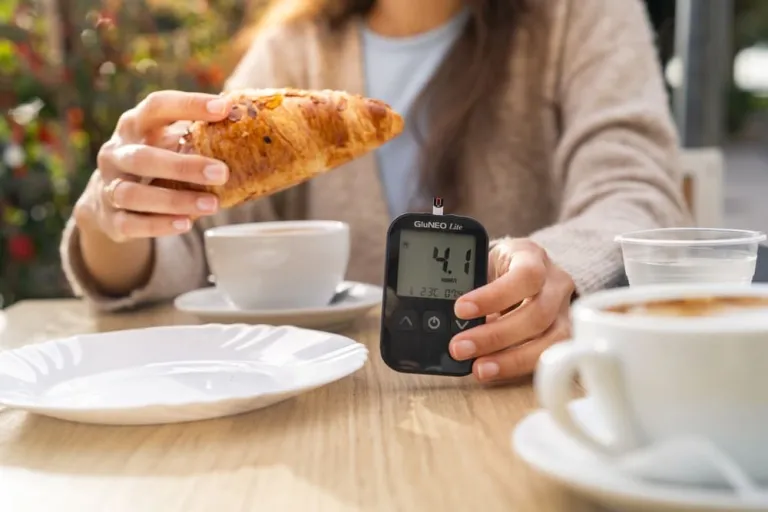
To monitor blood sugar after eating, a blood glucose meter, or glucometer, is usually used. Here are the basic steps to keep in mind:
- Preparation
Get the glucometer, a lancet (a device for pricking the finger) and test strips ready. Wash your hands with soap and warm water before testing to ensure cleanliness and accurate results. - Measuring After a Meal
Measurements are usually taken about 1 to 2 hours after eating, when blood sugar usually peaks. - Record the Results
Write down the reading and the foods you ate. This helps you see patterns in your blood sugar levels and understand which foods may cause spikes. - Review With a Medical Professional
If you are at risk of diabetes or want to make sure your blood sugar is in the normal range, discuss these monitoring results with a medical professional. They can offer advice or adjustments to your diet and lifestyle.
Tips for Keeping Blood Sugar Stable After Eating
- Choose Low-Glycemic-Index Foods
Foods with a low glycemic index, such as legumes, green vegetables and fruit, are digested more slowly, which keeps blood sugar stable. - Get Enough Fiber
Fiber helps slow the absorption of sugar into the blood. Eat high-fiber foods such as fruit, vegetables and whole grains. - Add Protein and Healthy Fats
Protein and healthy fats, such as fish, lean meat, eggs and avocado, help reduce blood sugar spikes. Combine them with carbohydrates for the best effect. - Avoid Sugary Drinks
Sugary drinks such as soda or packaged juice contain large amounts of sugar that can cause blood sugar spikes. Plain water or unsweetened tea is a better alternative. - Watch Portion Sizes
Eating large portions can raise blood sugar suddenly. It is better to eat small portions more often to keep blood sugar stable. - Do Light Physical Activity
A leisurely walk after eating can help the body use the glucose in the blood, so blood sugar stays under control.
Conclusion
Monitoring blood sugar is an important step in protecting health and preventing diseases such as diabetes. By knowing how the body responds to food, a person can make wiser food choices and adopt a healthier lifestyle. Steps such as adjusting diet, staying physically active and consulting a medical professional help keep blood sugar stable.
Stable blood sugar benefits not only people with diabetes but also anyone who wants to protect long-term health. With proper monitoring and preventive steps, complications from unstable blood sugar can be prevented and quality of life can improve.